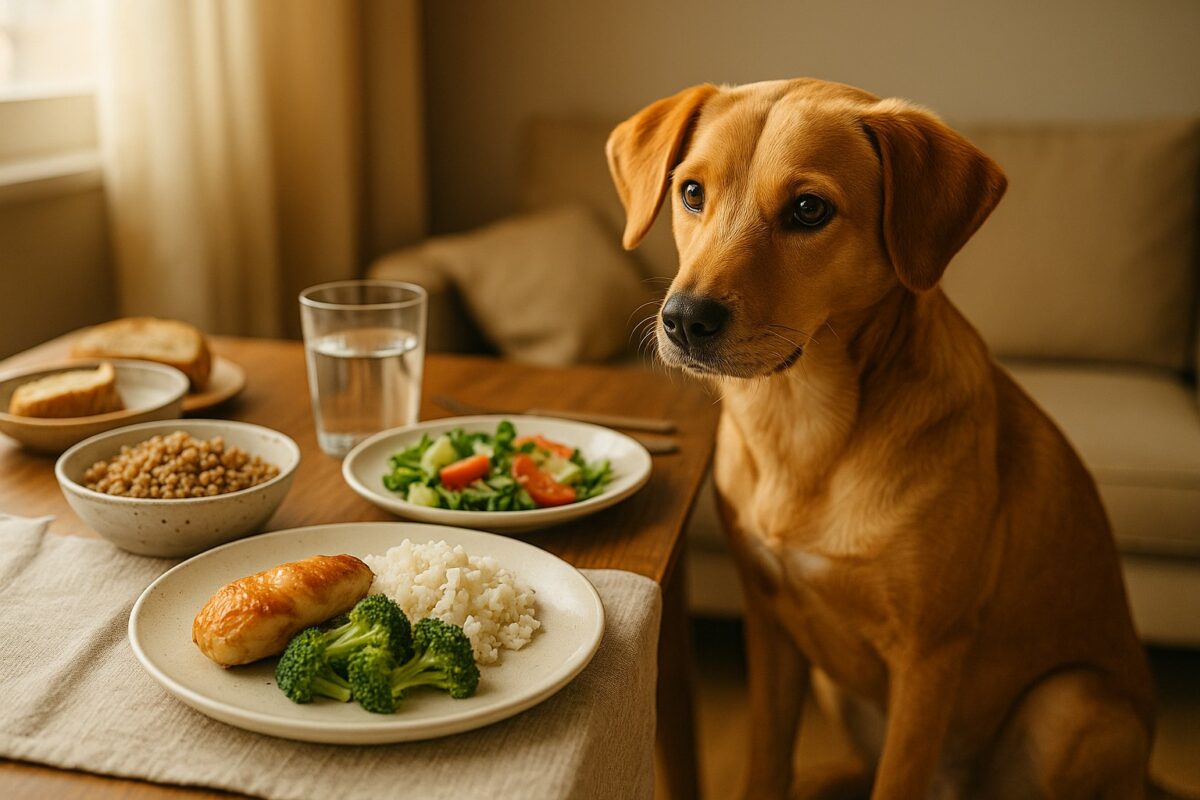
If you’ve ever wondered what human food dogs can eat safely, you’re not alone. Many dog owners want to share their meals as a way to bond with their pets, but not all people food is safe for dogs. We understand the careful balance between treating your furry friend and protecting their health, which is why we created this comprehensive, vet-reviewed guide.
We studied dozens of authoritative sources and compared existing advice to deliver the most clear, scannable, and trustworthy resource available online. By the end of this article, you’ll know exactly which human foods are safe, which are toxic, and how to introduce new treats safely — all backed by expert insight and real-world analysis.
At-A-Glance Summary Table: Human Foods & Their Safety
| Human Food | Safe for Dogs? | Key Notes |
|---|---|---|
| Carrots | Yes | Excellent low-calorie chew. Raw or cooked. |
| Grapes & Raisins | No | Highly toxic. Can cause kidney failure. |
| Peanut Butter | Yes | Must be unsalted and free of Xylitol. |
| Chocolate | No | Toxic. Contains theobromine. |
| Blueberries | Yes | Full of antioxidants. Great training treat. |
| Apples (no seeds) | Yes | High in fiber and vitamin C. Remove seeds. |
| Onions | No | Causes red blood cell damage and anemia. |
| Sweet Potatoes | Yes | Rich in fiber and vitamins. Cook before serving. |
| Avocado | No | Contains persin, toxic to many dogs. |
| Yogurt (plain) | Yes | Good source of probiotics but avoid sugary types. |
| Tomatoes (ripe) | Yes (in moderation) | Avoid green parts which contain solanine. |
| Garlic | No | Toxic; damages red blood cells. |
| Rice (plain) | Yes | Easily digestible carb, good for upset stomachs. |
| Walnuts | No | Can cause digestive issues and toxicity. |
| Cucumbers | Yes | Low-calorie and hydrating. |
| Bread (plain) | Yes (small amounts) | Avoid breads with raisins or xylitol sweeteners. |
| Mushrooms | No (wild types) | Some species are highly toxic. |
| Pumpkin | Yes | Promotes digestive health. Feed cooked, plain. |
| Ice Cream | No | High in sugar and lactose, often problematic. |
…and many more included below.
Safe People Food for Your Dog
Below, we expand on the safe items from the summary table, detailing their benefits, safe serving tips, and portion advice.
Can Dogs Eat Carrots?
- Benefits: High in fiber, beta-carotene, and vitamin A; supports dental health by reducing plaque buildup.
- How to Serve Safely: Wash thoroughly; serve raw, steamed, or frozen. Cut into bite-sized pieces to avoid choking hazards.
- Serving Size Tip: Treat carrots as part of no more than 10% of daily calories.
Can Dogs Eat Apples?
- Benefits: Rich in fiber and vitamin C, aids in digestion and boosts immunity.
- How to Serve Safely: Remove seeds and core to prevent choking and toxicity. Cut into small slices.
- Serving Size Tip: Offer as an occasional treat due to natural sugar content.
Can Dogs Eat Peanut Butter?
- Benefits: Source of protein, healthy fats, and vitamins B and E.
- How to Serve Safely: Ensure it contains no xylitol or added sugar/salt. Use in moderation.
- Serving Size Tip: Limit to small spoonfuls; high fat content can cause weight gain.
Can Dogs Eat Blueberries?
- Benefits: Loaded with antioxidants, fiber, and vitamins.
- How to Serve Safely: Wash thoroughly and serve fresh or frozen.
- Serving Size Tip: Small handfuls are safe as training treats.
Can Dogs Eat Sweet Potatoes?
- Benefits: Provides dietary fiber, vitamins B6 and C, and beta-carotene.
- How to Serve Safely: Always cook (boiled or baked). Avoid seasoning.
- Serving Size Tip: Use as a supplement, not a meal replacement.
Foods Toxic to Dogs
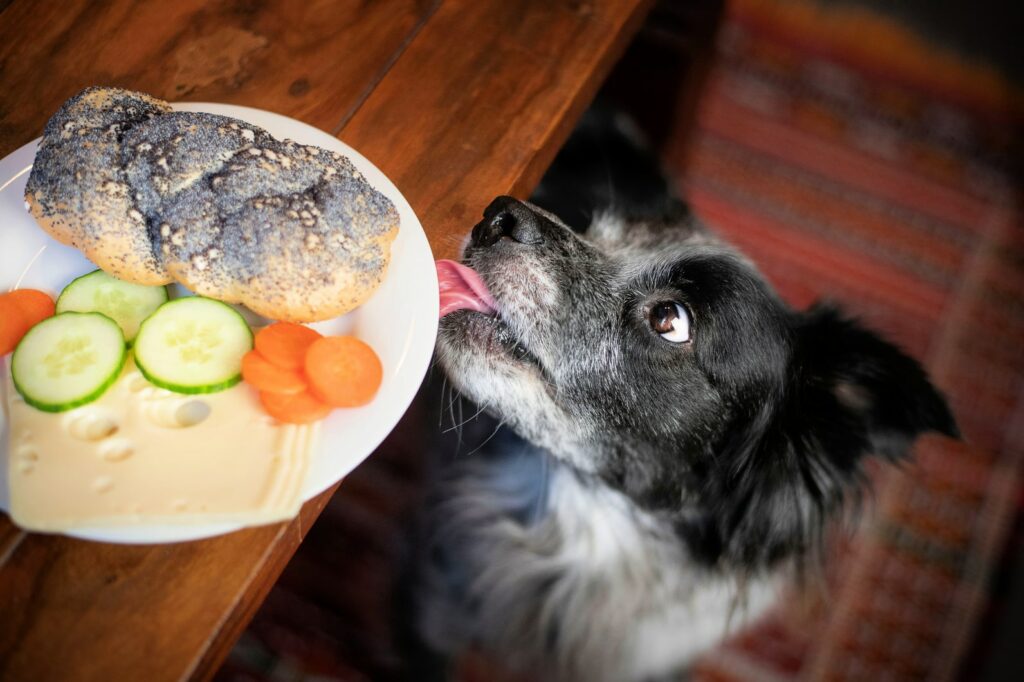
For your dog’s safety, it’s crucial to avoid certain human foods that can cause serious illness or death. We examined the most dangerous items owners frequently ask about.
The Most Dangerous Foods for Dogs
- Xylitol
- Why It’s Toxic: Artificial sweetener that causes rapid insulin release.
- Symptoms: Vomiting, loss of coordination, seizures, low blood sugar.
- Immediate Action: Call your vet or ASPCA Poison Control at 888-426-4435 immediately.
- Grapes & Raisins
- Why It’s Toxic: Unknown toxin causing acute kidney failure.
- Symptoms: Vomiting, diarrhea, lethargy, signs of kidney distress.
- Immediate Action: Urgent vet visit required.
- Chocolate
- Why It’s Toxic: Contains theobromine, harmful to dogs’ nervous and cardiovascular systems.
- Symptoms: Vomiting, diarrhea, rapid breathing, seizures.
- Immediate Action: Contact vet immediately.
- Onions & Garlic
- Why It’s Toxic: Sulfur compounds damage dog’s red blood cells.
- Symptoms: Weakness, pale gums, rapid breathing.
- Immediate Action: Veterinary intervention needed.
- Avocado
- Why It’s Toxic: Contains persin, which can cause vomiting and diarrhea.
- Symptoms: Gastrointestinal upset, difficulty breathing (rarely).
- Immediate Action: Consult your vet promptly.
How to Introduce Human Food to Your Dog’s Diet
We studied best practices to help you safely add new foods.
- Consult Your Veterinarian: Always your first step to prevent allergies and complications.
- Start with Small Portions: Introduce one new food at a time to monitor reactions.
- Monitor for Reactions: Watch for vomiting, diarrhea, itching, or lethargy for at least 48 hours.
- Follow the 10% Rule: Treats and human foods should never exceed 10% of your dog’s daily calories to avoid nutritional imbalance.
FAQ
Can dogs eat bananas?
Yes, bananas are safe for dogs in moderation. They offer potassium and fiber but are high in sugar, so feed as an occasional treat. Peel before serving, and give small slices.
Can dogs eat cheese?
Many dogs tolerate small amounts of low-fat cheese like mozzarella or cottage cheese. However, lactose intolerance is common, so introduce in tiny quantities initially and monitor for stomach upset.
Can dogs eat carrots?
Yes, carrots are safe and healthy, offering vitamins and dental benefits. Serve raw or cooked in bite-sized pieces.
Can dogs eat apples?
Yes, apples are safe if seeds and core are removed. They provide fiber and vitamin C and can be given as crunchy treats.
Can dogs eat peanut butter?
Yes, as long as it doesn’t contain xylitol or added salts/sugars. It’s a good source of protein but should be given sparingly.
We compared countless sources and consulted experts to create this definitive guide on human food dogs can eat safely. Sharing your food with your dog can be a wonderful experience — but safety must come first. Bookmark this guide and share it with fellow dog parents to keep our furry friends happy and healthy.