Рубрики
Без рубрики

Deadly Australian Dog Parasites: A Fair Dinkum Guide to Protection

Life in Australia is brilliant for our four-legged mates, but our sunburnt country is also home to some nasty parasites that can turn a walk in the bush into a serious situation. As a dog owner, knowing what you’re up against is the first step in keeping your pup safe and full of energy.

Forget a simple itch; we’re talking about parasites that can cause paralysis, life-threatening anaemia, and permanent organ damage. Let’s break down the most dangerous critters you need to guard against.

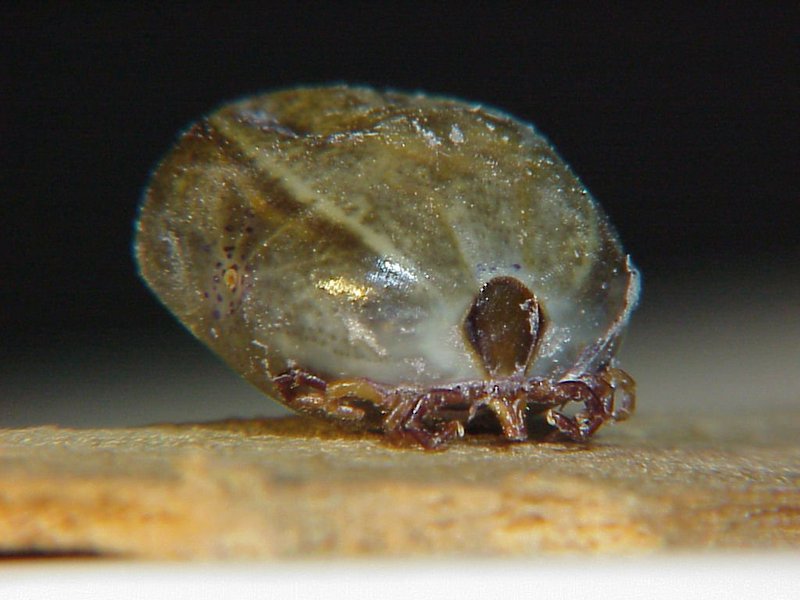
The Big One: The Paralysis Tick (Ixodes holocyclus)
Deadly Australian Dog Parasites

This is the public enemy number one for dogs on the east coast of Australia. A single bite from a paralysis tick can be fatal, and every owner in a tick area needs to be on high alert.

Where they’re found: Primarily along the eastern coast, from North Queensland down to Victoria, in bushland, grasslands, and even suburban gardens with dense foliage.

The Danger: The tick injects a neurotoxin in its saliva that progressively paralyzes the dog.

Symptoms to Watch For (in order of progression):

  1. A wobbly gait in the back legs, which moves to the front legs.
  2. Weakness and lethargy, reluctance to move.
  3. A change in bark or meow (sounds more hoarse).
  4. Difficulty swallowing, gagging, coughing, or vomiting.
  5. Laboured breathing or grunting.
  6. Complete paralysis and respiratory failure.

Prevention & Action:

  • Use a reputable tick prevention product year-round (e.g., chewables, spot-ons, or tick collars).
  • Search your dog daily by running your fingers through their coat, feeling for bumps. Pay close attention to the head, neck, chest, and between toes.
  • If you find a tick, remove it immediately with a fine-tipped tick removal hook. Avoid squeezing the tick’s body.
  • If you see any symptoms, go straight to the vet. This is a genuine emergency.

The Silent Killer: Heartworm (Dirofilaria immitis)
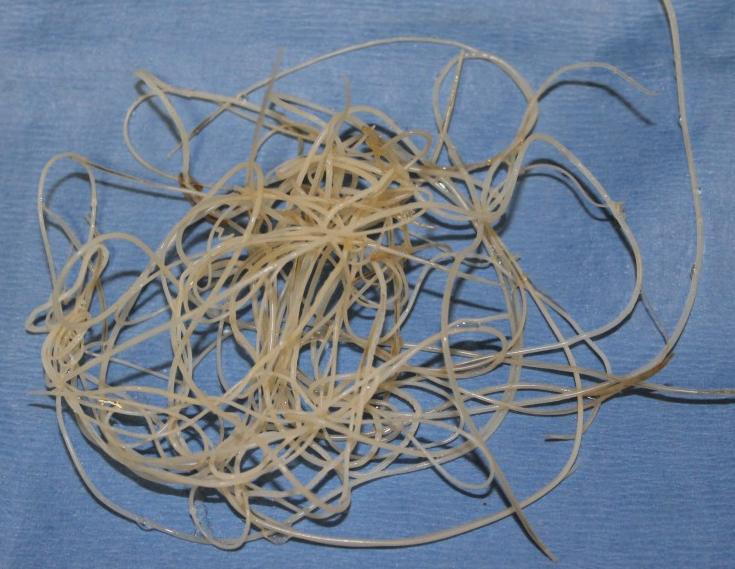
Heartworm

Heartworm is a potentially fatal disease spread by mosquitoes. It’s a silent threat because by the time you see symptoms, the infection is already severe.

Where they’re found: All across Australia, anywhere mosquitoes are present.

The Danger: Mosquitoes transmit microscopic larvae that mature into long, spaghetti-like worms that live in the heart, lungs, and associated blood vessels. This causes severe lung disease, heart failure, and damage to other organs.

Symptoms to Watch For:

  • A mild, persistent cough.
  • Reluctance to exercise or tiring easily.
  • Fatigue after moderate activity.
  • Decreased appetite and weight loss.
  • In advanced stages, a swollen abdomen due to fluid accumulation.

Prevention & Action:

  • Prevention is 100% effective and far safer/cheaper than treatment. Use a monthly chewable tablet or an annual injection from your vet.
  • There is no effective natural remedy for heartworm prevention.
  • Treatment for an established infection is expensive, complex, and carries significant risk.

The Unseen Menace: Intestinal Worms
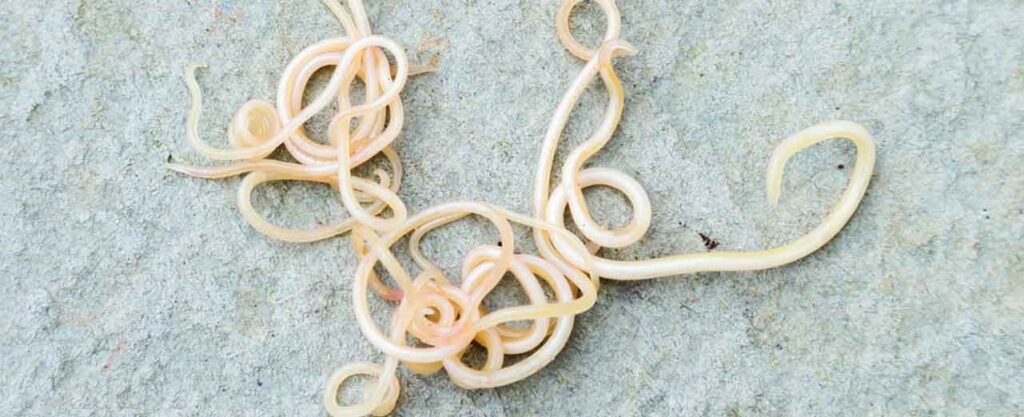
Intestinal Worms

While common, intestinal worms should never be taken lightly, especially for puppies. The main culprits in Australia are:

1. Hookworms & Roundworms

  • The Danger: They suck blood and nutrients from the gut lining, leading to severe anaemia, malnutrition, and stunted growth in puppies. Some can also be transmitted to humans.
  • Symptoms: Pale gums, weakness, bloody diarrhoea, a pot-bellied appearance, and failure to thrive.

2. Whipworms

  • The Danger: These live in the large intestine and cause severe irritation. They are notoriously tricky to diagnose and can cause chronic, intermittent diarrhoea, often with blood or mucus.
  • Symptoms: Persistent, watery diarrhoea, weight loss, and dehydration.

The Itchy & Irritating: Fleas
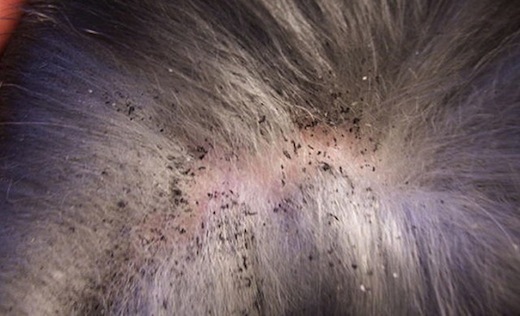
While not always «deadly» on their own, a severe flea infestation can cause life-threatening anaemia in small or young animals. The bigger issue for many dogs is Flea Allergy Dermatitis (FAD).

The Danger: Dogs with FAD are allergic to the flea’s saliva. Just one bite can trigger an intense, body-wide allergic reaction, leading to relentless scratching, chewing, and skin infections.

Prevention & Action:

  • Break the life cycle. Use effective flea control on your dog and treat your home environment, as fleas spend most of their time off the animal.
  • Modern oral or spot-on treatments are highly effective at killing fleas before they can bite.

At-a-Glance Guide: Australian Dog Parasite Protection

This table summarises the key threats and how to fight back.

ParasitePrimary DangerKey Prevention Strategy
Paralysis TickNeurotoxic Paralysis & DeathDaily physical searches + vet-recommended tick prevention
HeartwormHeart Failure & Lung DiseaseMonthly chews or annual injection (no exceptions)
Intestinal WormsAnaemia, Malnutrition, DiarrhoeaRegular all-wormer tablets (every 3 months for adults)
FleasSevere Skin Allergies & DiscomfortRegular flea control products that break the life cycle

Creating a Bulletproof Parasite Control Plan

Don’t just hope for the best. A proactive plan is your best defence. Here’s what a solid strategy looks like:

  1. Consult Your Local Vet: They know the specific parasite risks in your area. A coastal vet will emphasise ticks, while an inland vet might focus more on heartworm.
  2. Commit to Year-Round Prevention: Parasites don’t take a holiday. Skipping a dose because it’s winter leaves your dog vulnerable.
  3. Combine Products for Full Coverage: No single product covers everything. Most dogs need a combination, for example:
    • A monthly chew for heartworm & intestinal worms.
    • A separate tick & flea control product (spot-on or collar).
  4. Maintain a Clean Environment: Regularly clean bedding, vacuum floors, and promptly dispose of faeces from the yard to reduce worm egg and flea larvae contamination.
  5. Be Observant: You know your dog best. Any change in behaviour, appetite, or energy levels could be an early warning sign. When in doubt, get it checked out.

Protecting your dog from these dangerous parasites isn’t just about comfort—it’s a critical part of responsible ownership in Australia. By staying informed and consistent with prevention, you can ensure your best mate stays healthy, happy, and full of energy for all your adventures together.

Рубрики
Без рубрики

Top 10 Australian Dog Breeds: Your Guide to True Blue Aussie Mates

If you’re after a loyal companion with a bit of that famous Aussie spirit, you’ve come to the right place. Australia isn’t just home to unique wildlife like roos and ‘roos; we’ve also bred some of the hardiest, most intelligent, and downright iconic dog breeds on the planet.

Bred for our harsh outback, sprawling farms, and unique way of life, these dogs are packed with energy, brains, and a fierce loyalty that makes them more than just pets—they’re true blue mates. Whether you’re on a massive property or in a suburban backyard, understanding these breeds is key to finding your perfect match.

Let’s dive in and meet the legends.

What Makes an Australian Dog Breed Unique?

Before we get to the list, it’s worth understanding the common threads that tie these Aussie battlers together. Developed for a continent known for its «hard yakka,» these breeds typically share a few key traits:

  • High Energy & Stamina: Bred for herding, hunting, and working long days in the sun.
  • Intelligence & Problem-Solving: They’re quick thinkers, bred to make independent decisions in the field.
  • Strong Work Ethic: They have a innate drive to have a job to do.
  • Loyalty & Protectiveness: They form incredibly strong bonds with their family, or «pack.»
  • Resilience: Tough coats and tough attitudes built for the Australian climate.

The A-List: Meet Australia’s Favourite Dogs

Here’s a fair dinkum list of the most iconic dog breeds to come out of Australia.

1. Australian Kelpie

Australian Dog Breeds Kelpie

The ultimate outback worker, the Kelpie is a legend in the livestock industry. Renowned for their ability to muster sheep in blistering heat across vast paddocks, they are the definition of endurance.

  • Temperament: Energetic, brilliant, and independent. They live for work.
  • Best For: Active singles, farmers, and families with plenty of space and time for exercise. Not for couch potatoes!
  • Fun Fact: Their name comes from Kelpie, a mythological Scottish water spirit, from the first dog of the type, named by a Scottish settler.

2. Australian Cattle Dog (Blue/Red Heeler)

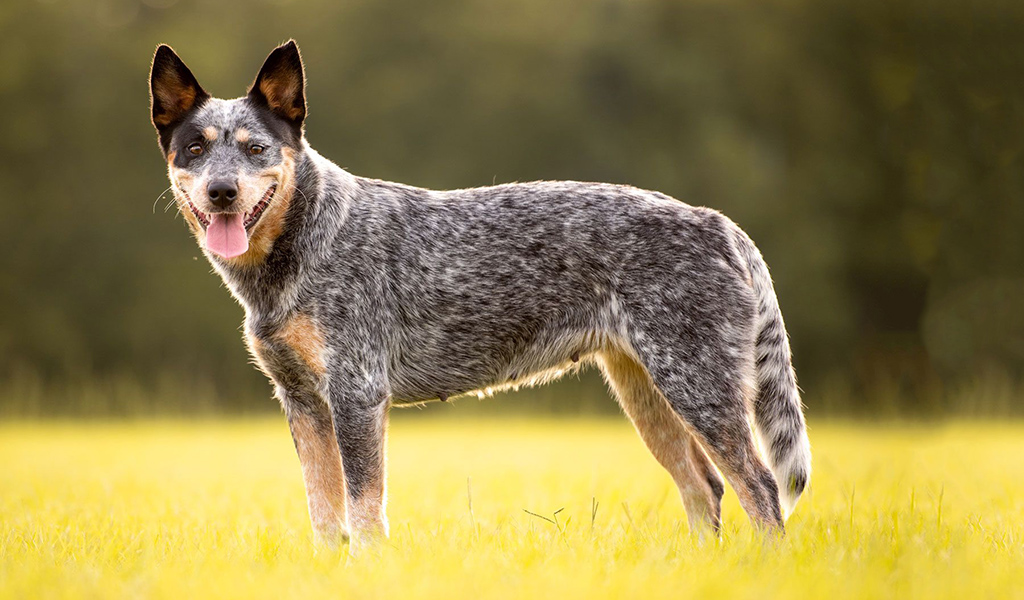
Tough, tenacious, and built like a brick outhouse, the Heeler is a compact powerhouse. Developed by early settlers to drive cattle over long distances, they’re known for their distinctive «heeling» nip and stunning blue or red speckled coat.

  • Temperament: Loyal, courageous, and wary of strangers. They are a «one-person» dog with boundless devotion.
  • Best For: Experienced dog owners who can provide firm, consistent training and a lot of mental and physical activity.
  • Fun Fact: They have Dingo in their ancestry, which contributes to their rugged nature and weather-resistant coat.

3. Australian Shepherd

Australian Shepherd

Wait, an American breed? While popularised and refined in the US, the Aussie Shepherd’s roots are deeply tied to Australian heritage. They were bred to work alongside Basque shepherds who had emigrated from Australia to the US with their Australian sheep—hence the name!

  • Temperament: Smart, agile, and highly trainable. They are often described as «velcro dogs» due to their need to be close to their owners.
  • Best For: Active families, dog sports enthusiasts, and anyone wanting a brilliant and beautiful companion for adventures.
  • Fun Fact: Their stunning merle coats and blue eyes are a hallmark of the breed, but not all Aussies have them.

4. Australian Terrier

Australian Dog Breeds Terrier

Don’t let their small size fool you! The Australian Terrier is a spirited, confident, and hardy little dog. Bred to be a versatile helper on farms, controlling rodents and snakes, and acting as a watchful alert dog.

  • Temperament: Plucky, affectionate with family, and always alert. They have a typical terrier curiosity and feistiness.
  • Best For: City dwellers and those in smaller homes who still want a dog with a big personality and moderate exercise needs.
  • Fun Fact: Along with the Silky Terrier, this is one of the few small dog breeds originating from Australia.

Quick Comparison Guide: Finding Your Match

This table gives you a snapshot to help you compare these iconic breeds at a glance.

BreedSizeEnergy LevelFamily-FriendlyBest Environment
Australian KelpieMediumVery HighWith older kidsFarm/Rural Property
Australian Cattle DogMediumVery HighWith older kidsActive Household / Farm
Australian ShepherdMedium-LargeVery HighExcellentActive Family / Suburban
Australian TerrierSmallModerateGoodApartment / Suburban

Lesser-Known Gems: More Aussie Icons

Our list wouldn’t be complete without mentioning these other brilliant breeds:

  • Border Collie: While technically from the UK, no dog is more synonymous with Australian farming. Their intelligence is off the charts.
  • Silky Terrier: A «city cousin» to the Australian Terrier, the Silky is a sleek, glamorous toy terrier with a loving nature.
  • Tenterfield Terrier: A sleek, agile terrier similar to a Mini Fox Terrier, perfect for a active lifestyle in a smaller package.
  • Australian Stumpy Tail Cattle Dog: Similar to the Heeler but with a—you guessed it—natural stumpy tail and a slightly lankier build.

Bringing an Aussie Breed Home: What You Need to Know

Owning one of these energetic mates is incredibly rewarding, but it’s not all a walk in the park. Here are the key things to consider:

  1. Commit to Exercise: These are not lounge lizards. A daily walk is not enough. They need vigorous running, hiking, agility, or a proper job. A bored Aussie dog is a destructive dog.
  2. Mental Stimulation is Non-Negotiable: Train them, give them puzzle toys, and teach them new tricks. Their brains need as much workout as their bodies.
  3. Early Socialisation is Crucial: Given their loyal and sometimes wary nature, exposing them to different people, places, and other dogs from a young age is vital for a well-rounded temperament.
  4. Secure Your Yard: These are Houdinis of the dog world. A tall, secure fence is an absolute must, as their herding instincts can lead them to roam.

Choosing an Australian dog breed means welcoming a piece of our nation’s rugged history and vibrant spirit into your home. They are loyal, energetic, and intelligent companions ready for any adventure you can throw at them. Do your research, be honest about your lifestyle, and if you’re the right match, you’ll gain a mate for life.

Рубрики
Без рубрики

Dental Chews That Actually Work: A Vet-Approved Guide to the VOHC Standard & Safe Choices

If you’ve been searching for dental chews that actually work, you’re not alone in feeling skeptical. We’ve studied the overwhelming claims surrounding dog dental chews and found that many products on the market rely heavily on marketing hype rather than solid science. Not all dental chews are created equal, and knowing how to separate fact from fiction can save you time, money, and protect your dog’s health.

By comparing industry standards and expert insights, we created this vet-reviewed guide to help you understand the science behind effective chews and explain the critical role of the VOHC — the key to identifying products proven to work.

How Dental Chews Actually Work: The Science Behind the Scrub

Dental Chews That Actually Work

Dental chews reduce plaque and tartar primarily through two mechanisms, which we examined carefully to clarify how they benefit oral health:

  • Mechanical Abrasion: The physical texture of the chew scrubs the surface of the teeth, similar to a toothbrush, removing plaque buildup as the dog gnaws.
  • Chemical Action: Some chews contain active ingredients like polyphosphates or chlorhexidine that prevent plaque from mineralizing into tartar.

Effective dental chews employ one or both of these methods. Independent scientific verification is crucial because texture alone doesn’t guarantee dental benefits.

The Gold Standard: What Does «VOHC Approved» Mean?

When selecting dental chews, looking for the VOHC approved dental chews seal is your best bet. The Veterinary Oral Health Council (VOHC) is an independent organization providing a stringent seal of acceptance based on scientific proof.

Here’s how the VOHC approval process works:

  1. Scientific Submission: Companies submit detailed clinical trial data showing efficacy in reducing plaque and/or tartar.
  2. Blinded Review: A panel of veterinary dental experts reviews the data without knowing the product or manufacturer’s identity.
  3. Meets Criteria: The results must demonstrate a statistically significant reduction in plaque or tartar compared to controls.
  4. Seal of Acceptance: Products meeting these strict standards earn the right to display the VOHC seal as proof of effectiveness.

By choosing VOHC approved treats, you rely on objective science rather than marketing claims.

How to Choose a Safe and Effective Dental Chew

Based on our analysis of veterinary guidelines and product safety reviews, follow this practical approach:

  1. Look for the VOHC Seal: This is the simplest way to ensure the dental chew has proven plaque and tartar control benefits.
  2. Check the Ingredients: Avoid harmful additives like artificial colors, flavors, or preservatives. Watch out for high-calorie chews if your dog needs weight management.
  3. Consider Your Dog’s Size and Chewing Style: The chew should be large enough to avoid choking risk but not so hard it could cause tooth fractures. Softer chews may be preferable for aggressive chewers.
  4. Monitor Your Dog: Always supervise chewing to ensure your dog isn’t swallowing large chunks or damaging their teeth.

Types of Dental Chews: A Comparative Overview

To help you evaluate different options, here’s a comparison of common dental chew types based on our industry research and vet insights:

Type of ChewHow It WorksProsCons & Safety Considerations
Rawhide Alternatives (Veggie, Rice)Mechanical abrasionHighly digestible; good for chewingCan be high calorie; sometimes too soft to clean teeth effectively
Rubber / Nylon Chews (nubs)Mechanical abrasionLong-lasting; toothpaste compatibleCan be too hard, risk of tooth fractures in aggressive chewers
Edible Dental ChewsMechanical & chemicalOften VOHC approved; tastyCalorie dense; may contain additives
Natural Antlers & BonesMechanical abrasionVery durable; naturalHigh risk of cracking teeth; can splinter

FAQ

Are Greenies dental chews effective?

Yes. Many Greenies products have earned the VOHC seal for tartar control, meaning they have passed rigorous scientific testing. They are a popular VOHC-approved edible dental chew choice.

Veterinarians emphasize looking for the VOHC seal over any single brand. VOHC approval means the product has been vetted scientifically. Brands like Greenies, Purina DentalLife, and Hill’s Science Diet Oral Care offer approved products.

How long should a dog chew on a dental chew?

Supervision is essential. A typical session lasts around 5-15 minutes. The goal is sustained chewing to scrub teeth, not fast consumption. Remove the chew when it gets small to prevent choking.


By focusing on the VOHC seal, you cut through the marketing noise and find dental chews that actually work for your dog’s oral health. This trusted standard ensures the product has met independent scientific criteria, giving you confidence in your choice.

Your veterinarian is your best resource for managing your dog’s dental care. Discuss the most appropriate dental chews and establish a comprehensive oral hygiene plan at your next visit.

Рубрики
Без рубрики

Single Ingredient Dog Treats: The Ultimate Guide to Recipes, Benefits & Safety

Single ingredient dog treats have surged in popularity as more pet owners seek simplicity, transparency, and control over what their dogs eat. We studied this trend closely and found that these pure treats help avoid additives commonly found in commercial products, which can sometimes trigger allergies or digestive issues in dogs.

We compared dozens of sources and analyzed consumer needs to compile this ultimate guide. Whether you’re curious about the benefits of single ingredient dog treats, searching for easy homemade recipes, or want to understand their safety, this resource delivers everything you need in one place.

What Are Single Ingredient Dog Treats? (And Key Benefits)

Single ingredient dog treats are exactly what they sound like — treats made from only one ingredient, without additives, preservatives, or fillers. They offer a clean, straightforward snack option for dogs.

We studied numerous articles and product information to consolidate the key benefits:

  • Limited Ingredients: Ideal for dogs with food sensitivities or allergies.
  • Transparency: You know exactly what you’re feeding your dog.
  • Digestibility: Simpler ingredients are often easier on a dog’s stomach.
  • Cost-Effective: You can make them at home in bulk for much less than store-bought treats.

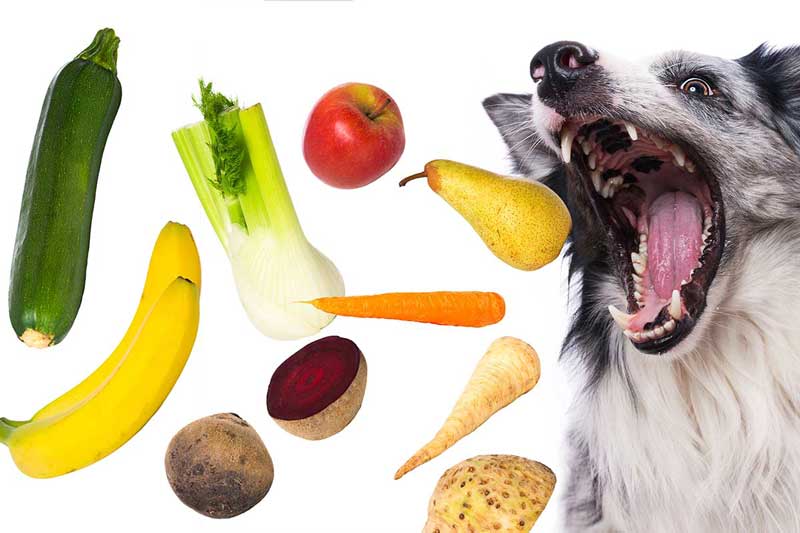
25+ Single Ingredient Dog Treat Ideas

Single Ingredient Dog Treat

We analyzed popular choices and created this easy reference table:

Single IngredientPreparation MethodKey Benefit
Sweet PotatoDehydrate or BakeHigh in fiber, great for chewing
Chicken BreastDehydrate or BakeHigh-value protein source
Green BeansRaw or SteamedLow-calorie crunch
Apple SlicesDehydrate or Raw (no seeds)Vitamins and crunchy texture
SalmonDehydrate or Bake (cooked)Omega-3 fatty acids for skin & coat
PumpkinBake or DehydrateSupports digestion and immune health
BlueberriesRaw or FreezeAntioxidants and vitamins
TurkeyDehydrate or BakeLean protein
CarrotsRaw or DehydrateVitamin A and dental benefits
Beef LiverDehydrateRich in iron and vitamin A
ZucchiniRaw or DehydrateLow-calorie hydration
Sardines (canned in water)Served chilledOmega-3s and protein
BananasDehydrate or RawPotassium and easily digestible
PearsRaw (no seeds) or DehydrateFiber and vitamin C
CucumberRawHydrating, low-calorie

Fruits & Vegetables

  • Sweet Potatoes: High in fiber and vitamins, best dehydrated or baked without seasoning.
  • Green Beans: Serve raw or steamed; low in calories and great for weight management.
  • Apples: Remove seeds/core; great crunchy treat rich in fiber and vitamin C.

Proteins

  • Chicken Breast: Lean protein, slice and dehydrate for chewy treats.
  • Salmon: Cook and dehydrate to boost skin and coat health with omega-3s.
  • Beef Liver: Nutrient dense; dehydrate thin slices for long-lasting treats.

Dairy & Others

  • While dairy-based single ingredient treats are less common, plain yogurt (unsweetened, no additives) can occasionally be offered under vet supervision.

How to Make Single Ingredient Dog Treats at Home

Using a Dehydrator

  1. Slice: Cut your chosen ingredient (meat, vegetable, or fruit) into thin, uniform strips or pieces.
  2. Arrange: Spread the slices evenly on your dehydrator trays without overlapping.
  3. Dehydrate: Set temperature between 125-165°F and dehydrate for 4-12 hours until treats are dry and leathery.
  4. Cool & Store: Allow treats to cool completely before storing in airtight containers.

Using Your Oven

  1. Preheat: Set your oven to the lowest temperature, typically 180-200°F.
  2. Prepare: Slice ingredients thinly and place on parchment-lined baking sheets.
  3. Bake: Bake for 2-3 hours, flipping halfway through until fully dried.
  4. Cool: Let cool inside the oven with the door cracked open to ensure crispness.
  5. Store: Keep treats in airtight containers; refrigerate or freeze for longer shelf life.

Important Safety Tips for Homemade Treats

Based on our in-depth analysis and pet health guidelines, keep these safety tips in mind:

  1. No Additives: Never add salt, oils, butter, sugar, or seasonings like onion or garlic powder.
  2. Introduce Slowly: Offer new treats one at a time, monitoring your dog for any allergic or digestive reactions.
  3. Portion Control: Treats should comprise no more than 10% of your dog’s daily calorie intake.
  4. Storage: Homemade treats don’t contain preservatives. Refrigerate for up to a week or freeze for up to 3 months.
  5. Use Fresh Ingredients: Always source fresh, high-quality ingredients and discard any spoiled items.

FAQ

Are single ingredient dog treats better?

They often are, especially for dogs with allergies or sensitive stomachs. Their straightforward nature allows easier cause identification for any adverse reactions, avoiding unnecessary additives or fillers.

How long do homemade single ingredient dog treats last?

Without preservatives, their shelf life is limited. Dehydrated treats typically last 1-2 weeks in an airtight container at room temperature but can last longer if refrigerated or frozen.

What is the easiest single ingredient dog treat to make?

Sliced apples (with cores removed), frozen blueberries, and dehydrated sweet potatoes are among the easiest and most popular homemade options.

Can single ingredient treats help with allergies?

Yes. Since they contain only one ingredient, it becomes easier to eliminate potential allergens and manage your dog’s diet effectively.

What is dehydrated single ingredient dog treats?

These are treats made by removing moisture through a drying process, usually using a dehydrator or oven, which concentrates nutrients and extends shelf life without additives.


We studied, compared, and analyzed the world of single ingredient dog treats to bring you this ultimate, well-rounded guide. Making simple, wholesome treats at home allows you to control exactly what goes into your dog’s snacks, promoting health and happiness. Start with one easy recipe and enjoy the benefits of clean, transparent feeding.

Рубрики
Без рубрики

Human Food Dogs Can Eat: The Ultimate Safe & Unsafe List (Vet-Reviewed)

If you’ve ever wondered what human food dogs can eat safely, you’re not alone. Many dog owners want to share their meals as a way to bond with their pets, but not all people food is safe for dogs. We understand the careful balance between treating your furry friend and protecting their health, which is why we created this comprehensive, vet-reviewed guide.

We studied dozens of authoritative sources and compared existing advice to deliver the most clear, scannable, and trustworthy resource available online. By the end of this article, you’ll know exactly which human foods are safe, which are toxic, and how to introduce new treats safely — all backed by expert insight and real-world analysis.

At-A-Glance Summary Table: Human Foods & Their Safety

Human FoodSafe for Dogs?Key Notes
CarrotsYesExcellent low-calorie chew. Raw or cooked.
Grapes & RaisinsNoHighly toxic. Can cause kidney failure.
Peanut ButterYesMust be unsalted and free of Xylitol.
ChocolateNoToxic. Contains theobromine.
BlueberriesYesFull of antioxidants. Great training treat.
Apples (no seeds)YesHigh in fiber and vitamin C. Remove seeds.
OnionsNoCauses red blood cell damage and anemia.
Sweet PotatoesYesRich in fiber and vitamins. Cook before serving.
AvocadoNoContains persin, toxic to many dogs.
Yogurt (plain)YesGood source of probiotics but avoid sugary types.
Tomatoes (ripe)Yes (in moderation)Avoid green parts which contain solanine.
GarlicNoToxic; damages red blood cells.
Rice (plain)YesEasily digestible carb, good for upset stomachs.
WalnutsNoCan cause digestive issues and toxicity.
CucumbersYesLow-calorie and hydrating.
Bread (plain)Yes (small amounts)Avoid breads with raisins or xylitol sweeteners.
MushroomsNo (wild types)Some species are highly toxic.
PumpkinYesPromotes digestive health. Feed cooked, plain.
Ice CreamNoHigh in sugar and lactose, often problematic.

…and many more included below.

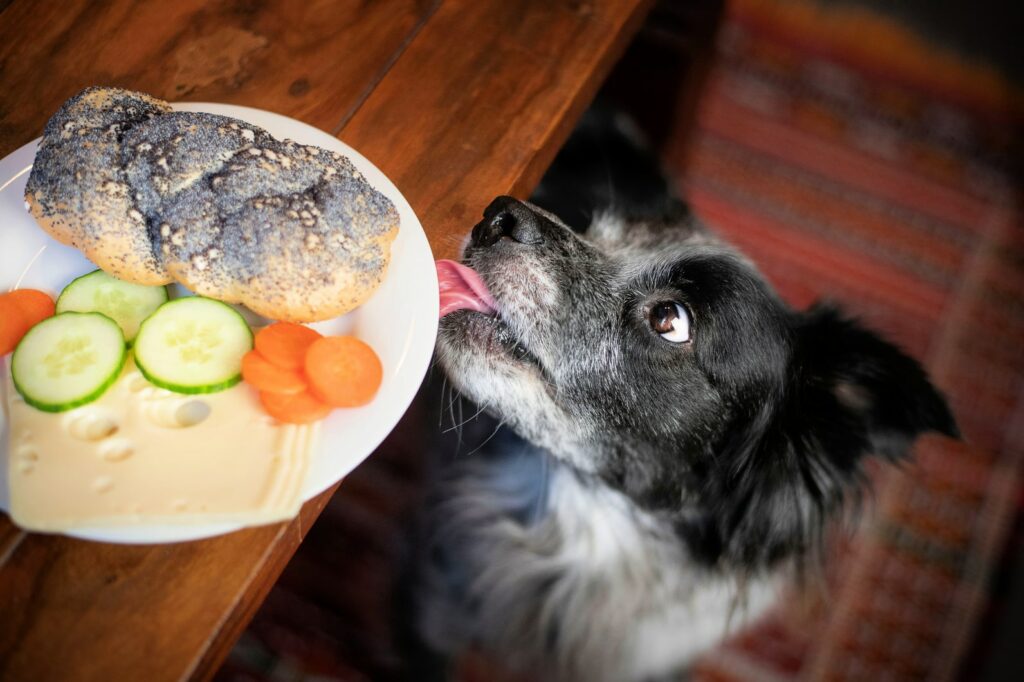
Safe People Food for Your Dog

Safe People Food for Dog

Below, we expand on the safe items from the summary table, detailing their benefits, safe serving tips, and portion advice.

Can Dogs Eat Carrots?

  • Benefits: High in fiber, beta-carotene, and vitamin A; supports dental health by reducing plaque buildup.
  • How to Serve Safely: Wash thoroughly; serve raw, steamed, or frozen. Cut into bite-sized pieces to avoid choking hazards.
  • Serving Size Tip: Treat carrots as part of no more than 10% of daily calories.

Can Dogs Eat Apples?

  • Benefits: Rich in fiber and vitamin C, aids in digestion and boosts immunity.
  • How to Serve Safely: Remove seeds and core to prevent choking and toxicity. Cut into small slices.
  • Serving Size Tip: Offer as an occasional treat due to natural sugar content.

Can Dogs Eat Peanut Butter?

  • Benefits: Source of protein, healthy fats, and vitamins B and E.
  • How to Serve Safely: Ensure it contains no xylitol or added sugar/salt. Use in moderation.
  • Serving Size Tip: Limit to small spoonfuls; high fat content can cause weight gain.

Can Dogs Eat Blueberries?

  • Benefits: Loaded with antioxidants, fiber, and vitamins.
  • How to Serve Safely: Wash thoroughly and serve fresh or frozen.
  • Serving Size Tip: Small handfuls are safe as training treats.

Can Dogs Eat Sweet Potatoes?

  • Benefits: Provides dietary fiber, vitamins B6 and C, and beta-carotene.
  • How to Serve Safely: Always cook (boiled or baked). Avoid seasoning.
  • Serving Size Tip: Use as a supplement, not a meal replacement.

Foods Toxic to Dogs

Foods Toxic to Dogs

For your dog’s safety, it’s crucial to avoid certain human foods that can cause serious illness or death. We examined the most dangerous items owners frequently ask about.

The Most Dangerous Foods for Dogs

  1. Xylitol
    • Why It’s Toxic: Artificial sweetener that causes rapid insulin release.
    • Symptoms: Vomiting, loss of coordination, seizures, low blood sugar.
    • Immediate Action: Call your vet or ASPCA Poison Control at 888-426-4435 immediately.
  2. Grapes & Raisins
    • Why It’s Toxic: Unknown toxin causing acute kidney failure.
    • Symptoms: Vomiting, diarrhea, lethargy, signs of kidney distress.
    • Immediate Action: Urgent vet visit required.
  3. Chocolate
    • Why It’s Toxic: Contains theobromine, harmful to dogs’ nervous and cardiovascular systems.
    • Symptoms: Vomiting, diarrhea, rapid breathing, seizures.
    • Immediate Action: Contact vet immediately.
  4. Onions & Garlic
    • Why It’s Toxic: Sulfur compounds damage dog’s red blood cells.
    • Symptoms: Weakness, pale gums, rapid breathing.
    • Immediate Action: Veterinary intervention needed.
  5. Avocado
    • Why It’s Toxic: Contains persin, which can cause vomiting and diarrhea.
    • Symptoms: Gastrointestinal upset, difficulty breathing (rarely).
    • Immediate Action: Consult your vet promptly.

How to Introduce Human Food to Your Dog’s Diet

We studied best practices to help you safely add new foods.

  1. Consult Your Veterinarian: Always your first step to prevent allergies and complications.
  2. Start with Small Portions: Introduce one new food at a time to monitor reactions.
  3. Monitor for Reactions: Watch for vomiting, diarrhea, itching, or lethargy for at least 48 hours.
  4. Follow the 10% Rule: Treats and human foods should never exceed 10% of your dog’s daily calories to avoid nutritional imbalance.

FAQ

Can dogs eat bananas?

Yes, bananas are safe for dogs in moderation. They offer potassium and fiber but are high in sugar, so feed as an occasional treat. Peel before serving, and give small slices.

Can dogs eat cheese?

Many dogs tolerate small amounts of low-fat cheese like mozzarella or cottage cheese. However, lactose intolerance is common, so introduce in tiny quantities initially and monitor for stomach upset.

Can dogs eat carrots?

Yes, carrots are safe and healthy, offering vitamins and dental benefits. Serve raw or cooked in bite-sized pieces.

Can dogs eat apples?

Yes, apples are safe if seeds and core are removed. They provide fiber and vitamin C and can be given as crunchy treats.

Can dogs eat peanut butter?

Yes, as long as it doesn’t contain xylitol or added salts/sugars. It’s a good source of protein but should be given sparingly.


We compared countless sources and consulted experts to create this definitive guide on human food dogs can eat safely. Sharing your food with your dog can be a wonderful experience — but safety must come first. Bookmark this guide and share it with fellow dog parents to keep our furry friends happy and healthy.