If you’ve been searching for dental chews that actually work, you’re not alone in feeling skeptical. We’ve studied the overwhelming claims surrounding dog dental chews and found that many products on the market rely heavily on marketing hype rather than solid science. Not all dental chews are created equal, and knowing how to separate fact from fiction can save you time, money, and protect your dog’s health.
By comparing industry standards and expert insights, we created this vet-reviewed guide to help you understand the science behind effective chews and explain the critical role of the VOHC — the key to identifying products proven to work.
How Dental Chews Actually Work: The Science Behind the Scrub
Dental chews reduce plaque and tartar primarily through two mechanisms, which we examined carefully to clarify how they benefit oral health:
- Mechanical Abrasion: The physical texture of the chew scrubs the surface of the teeth, similar to a toothbrush, removing plaque buildup as the dog gnaws.
- Chemical Action: Some chews contain active ingredients like polyphosphates or chlorhexidine that prevent plaque from mineralizing into tartar.
Effective dental chews employ one or both of these methods. Independent scientific verification is crucial because texture alone doesn’t guarantee dental benefits.
The Gold Standard: What Does «VOHC Approved» Mean?
When selecting dental chews, looking for the VOHC approved dental chews seal is your best bet. The Veterinary Oral Health Council (VOHC) is an independent organization providing a stringent seal of acceptance based on scientific proof.
Here’s how the VOHC approval process works:
- Scientific Submission: Companies submit detailed clinical trial data showing efficacy in reducing plaque and/or tartar.
- Blinded Review: A panel of veterinary dental experts reviews the data without knowing the product or manufacturer’s identity.
- Meets Criteria: The results must demonstrate a statistically significant reduction in plaque or tartar compared to controls.
- Seal of Acceptance: Products meeting these strict standards earn the right to display the VOHC seal as proof of effectiveness.
By choosing VOHC approved treats, you rely on objective science rather than marketing claims.
How to Choose a Safe and Effective Dental Chew
Based on our analysis of veterinary guidelines and product safety reviews, follow this practical approach:
- Look for the VOHC Seal: This is the simplest way to ensure the dental chew has proven plaque and tartar control benefits.
- Check the Ingredients: Avoid harmful additives like artificial colors, flavors, or preservatives. Watch out for high-calorie chews if your dog needs weight management.
- Consider Your Dog’s Size and Chewing Style: The chew should be large enough to avoid choking risk but not so hard it could cause tooth fractures. Softer chews may be preferable for aggressive chewers.
- Monitor Your Dog: Always supervise chewing to ensure your dog isn’t swallowing large chunks or damaging their teeth.
Types of Dental Chews: A Comparative Overview
To help you evaluate different options, here’s a comparison of common dental chew types based on our industry research and vet insights:
| Type of Chew | How It Works | Pros | Cons & Safety Considerations |
|---|---|---|---|
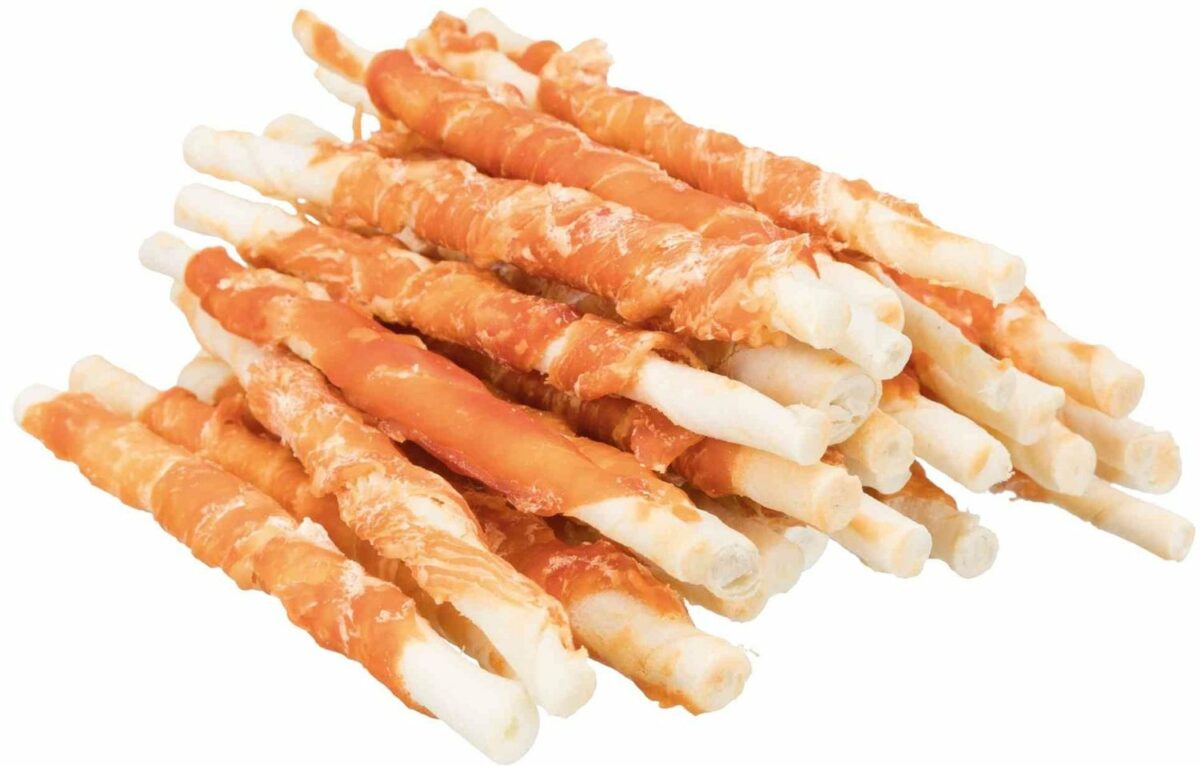
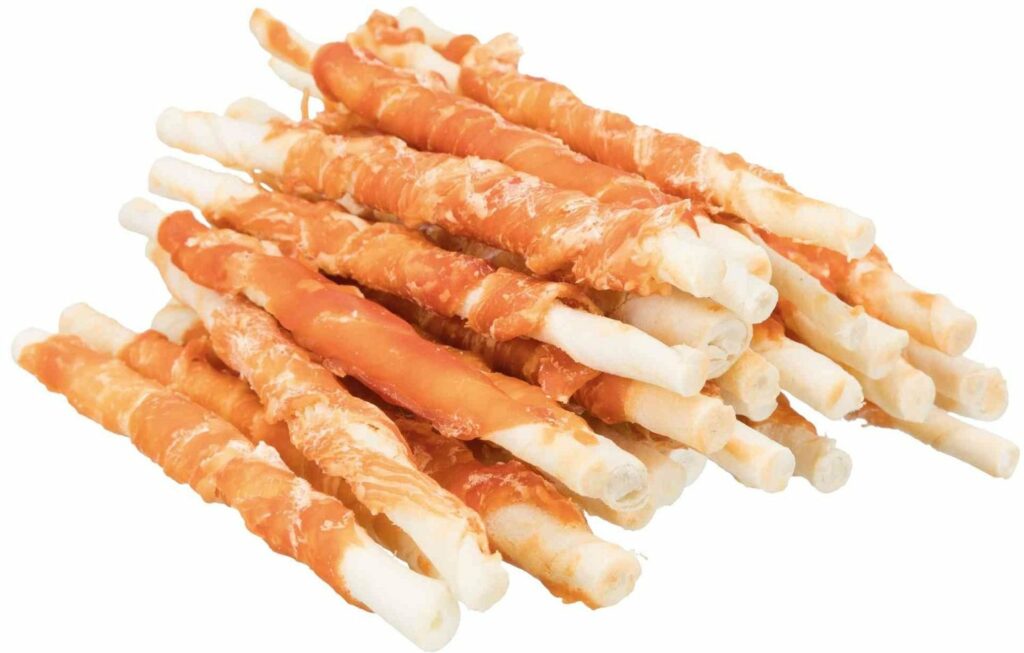
| Rawhide Alternatives (Veggie, Rice) | Mechanical abrasion | Highly digestible; good for chewing | Can be high calorie; sometimes too soft to clean teeth effectively |
| Rubber / Nylon Chews (nubs) | Mechanical abrasion | Long-lasting; toothpaste compatible | Can be too hard, risk of tooth fractures in aggressive chewers |
| Edible Dental Chews | Mechanical & chemical | Often VOHC approved; tasty | Calorie dense; may contain additives |
| Natural Antlers & Bones | Mechanical abrasion | Very durable; natural | High risk of cracking teeth; can splinter |
FAQ
Are Greenies dental chews effective?
Yes. Many Greenies products have earned the VOHC seal for tartar control, meaning they have passed rigorous scientific testing. They are a popular VOHC-approved edible dental chew choice.
What is the #1 vet-recommended dental chew?
Veterinarians emphasize looking for the VOHC seal over any single brand. VOHC approval means the product has been vetted scientifically. Brands like Greenies, Purina DentalLife, and Hill’s Science Diet Oral Care offer approved products.
How long should a dog chew on a dental chew?
Supervision is essential. A typical session lasts around 5-15 minutes. The goal is sustained chewing to scrub teeth, not fast consumption. Remove the chew when it gets small to prevent choking.
By focusing on the VOHC seal, you cut through the marketing noise and find dental chews that actually work for your dog’s oral health. This trusted standard ensures the product has met independent scientific criteria, giving you confidence in your choice.
Your veterinarian is your best resource for managing your dog’s dental care. Discuss the most appropriate dental chews and establish a comprehensive oral hygiene plan at your next visit.